


Branding

Mood Boards That Explain the Idea

Brand direction dies in vocabulary. 'Premium but approachable', 'modern but warm' — everyone nods and everyone pictures something different, and the disagreement only surfaces after the design work is done.

AIM makes direction visible early. Generate the textures, palettes and atmospheres you are describing, and argue about images instead of adjectives while changes are still cheap.

Made with AIM

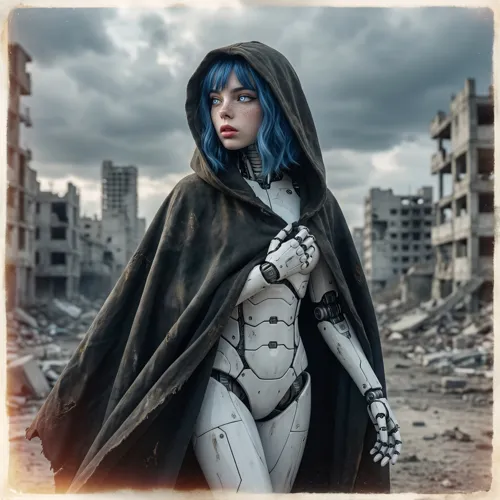
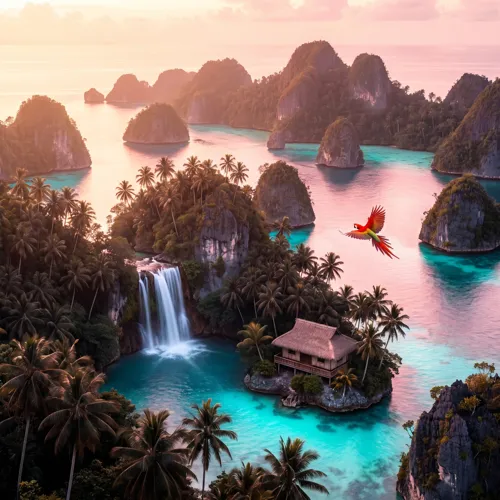
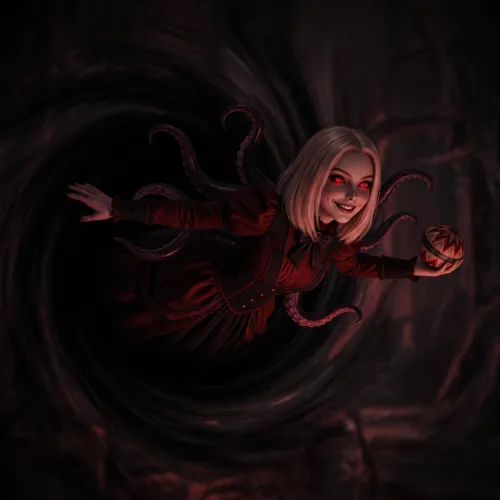
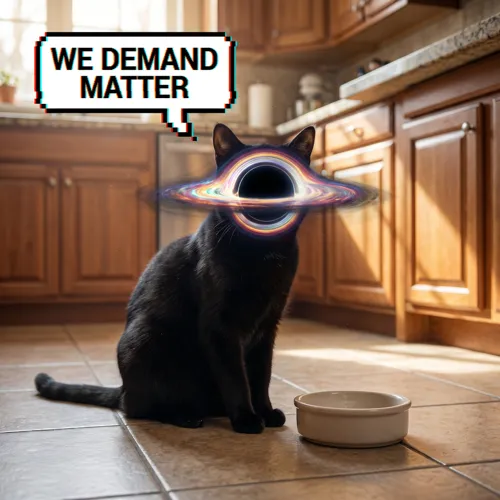
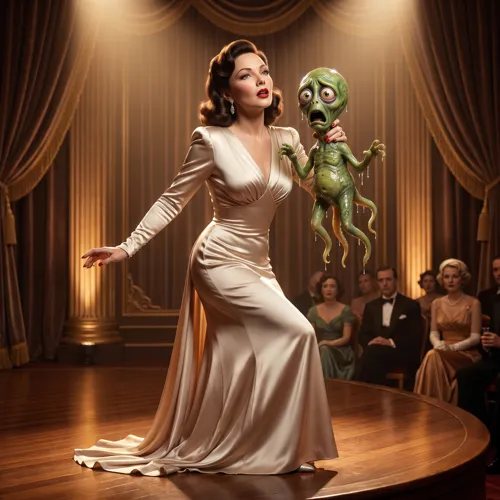
Mood Boards That Explain the Idea example generated with AIM

Real generations shared by the AIM community. Browse the full gallery

Kill ambiguity before the design stage

The most expensive revisions come from misalignment nobody noticed at the briefing. A generated mood board surfaces that disagreement in the first meeting, when changing direction costs nothing but a few credits.

Explore territories in parallel

Rather than refining one safe direction, generate three genuinely different territories — minimal and cold, warm and tactile, bold and graphic. Seeing them side by side makes the decision obvious in a way sequential refinement never does.

Original, not borrowed

Traditional mood boards are assembled from other brands' work, which drags existing associations along and creates awkward rights questions. Generated imagery gives you the same directional clarity with visuals that belong to your project.

Direction is a set of constraints

A useful mood board does not just show what a brand should look like — it shows what it should refuse. Pair each territory with the things it rules out: no hard flash, no saturated primaries, no busy backgrounds. Constraints are what make a direction executable months later, when someone who was not in the room has to produce an asset and needs to know where the edges are.

Prompts to start from

Copy one, adapt it to your subject, and generate.

auto_awesome

Minimal material study, matte concrete and pale oak, soft even daylight, muted neutral palette

auto_awesome

Tactile texture close-up of raw linen and aged brass, warm intimate light

auto_awesome

Bold graphic composition in primary colours, flat shapes, high energy and modern

auto_awesome

Moody dark palette with deep green and gold accents, dramatic low light, premium feel

Frequently asked questions

Is this a replacement for a designer?

No — it is the step before. It gets everyone agreeing on direction so the designer starts from clarity instead of a vague brief.

Can I present these to clients?

Yes. Generated mood boards avoid the rights issues of assembling other brands' imagery.

How many directions should I generate?

Three distinct territories is the sweet spot. More than that and decision-making stalls.

What should I show alongside the images?

Pair each territory with a short written rationale and an explicit list of what it excludes. Images alone get interpreted differently by everyone in the room; images plus constraints are what survive into the actual design work.

Ready to create?

Join thousands generating professional images and video with AI.

Start Creating

Pay as you go — credits never expire

Get More Credits 💎

Select a package to replenish your balance and keep creating.

Loading packages...

Checkout Details

Secure Payment for Credits

Price:

Secure checkout via PayPal

Payment Successful!

Credits have been added to your account.