
Publishing

Book Cover Art for Independent Authors

Readers judge covers in under a second, and they judge by genre first. A thriller that looks like a romance will be skipped by both audiences, no matter how good the writing is.

AIM helps you find the right visual language before you spend on a designer. Explore genre conventions, palettes and compositions, then either finish the cover yourself or hand a clear direction to a professional.

Made with AIM

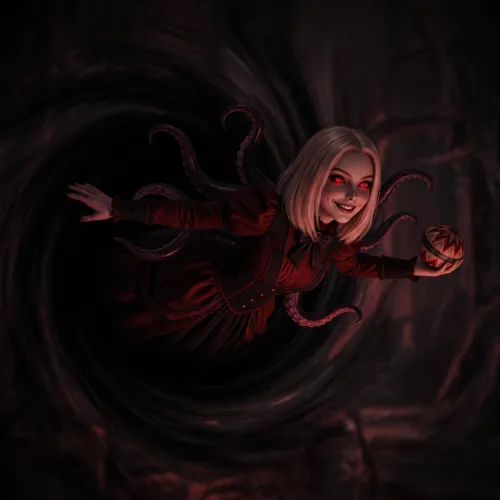
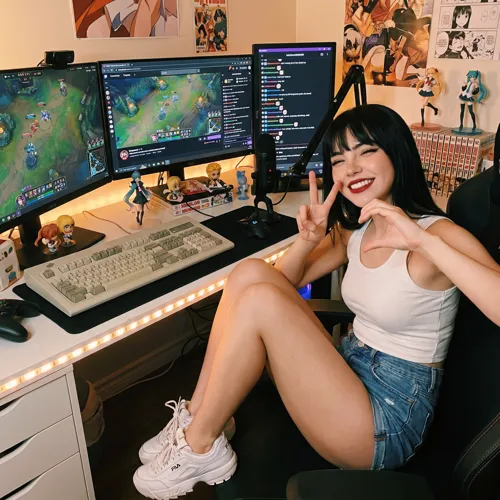
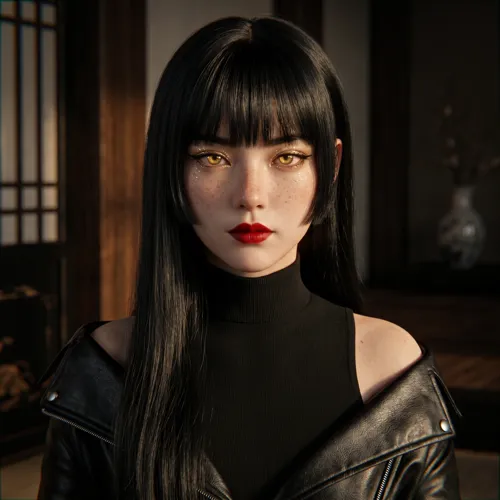
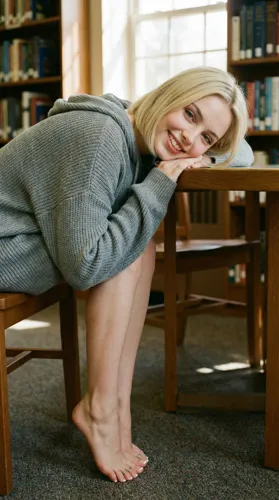
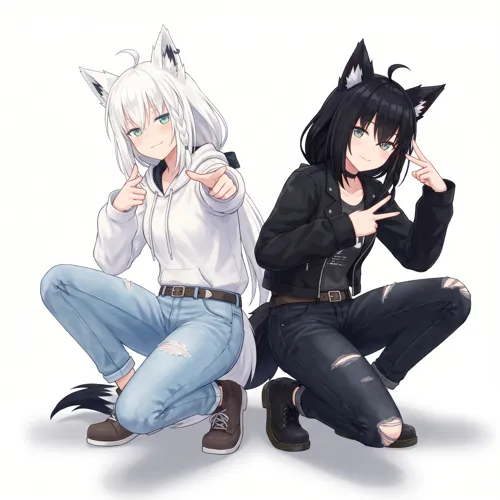
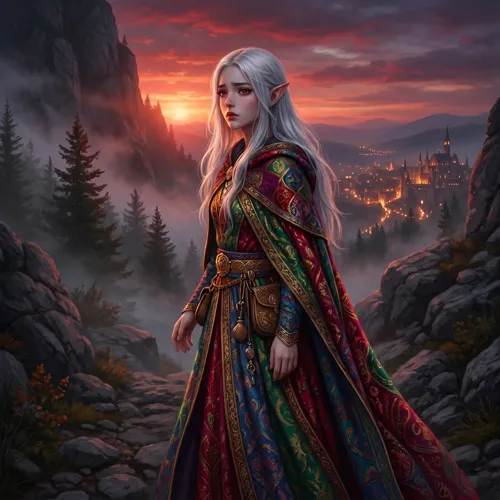
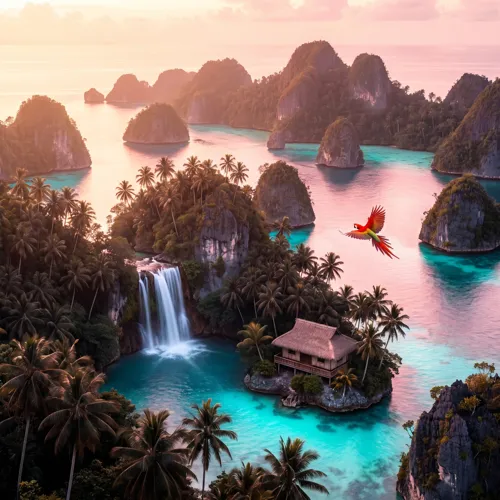
Book Cover Art for Independent Authors example generated with AIM

Real generations shared by the AIM community. Browse the full gallery

Genre signals are the whole job

Every genre has visual shorthand readers recognise instantly: cold desaturated palettes and isolated figures for thrillers, warm illustrative styles for romance, vast landscapes for epic fantasy. Working with those conventions is what tells the right reader this book is for them.

Design for the thumbnail

Most covers are first seen as a small image in a store listing. Detail vanishes at that size. Strong contrast, a clear focal point and a simple silhouette are what survive — check your concept small before falling in love with it large.

Leave room for the title

A cover is art plus typography. Generate with deliberate empty space where the title and author name will sit, and the typesetting step becomes straightforward instead of a fight against a busy background.

Series need a system, not a style

If you are writing a series, the covers have to work as a set. Readers should be able to spot book three on a shelf and know instantly it belongs with the first two. That comes from a repeatable system — the same compositional structure, the same type placement, one element that changes per book — rather than from each cover simply being in a similar style. Decide the system before book one, and every subsequent cover becomes a much smaller job.

Prompts to start from

Copy one, adapt it to your subject, and generate.

auto_awesome

Lone figure on a windswept cliff at dusk, cold desaturated palette, ominous atmosphere, space at the top for a title

auto_awesome

Vast mountain range under a dramatic sky, epic scale, warm golden light, cinematic

auto_awesome

Moody close-up of an antique object on a dark background, single light source, literary and restrained

auto_awesome

Soft illustrative city street in warm evening light, gentle and romantic, clean upper third

Frequently asked questions

Can I publish a book with an AI-generated cover?

Most platforms allow it, though some require you to disclose AI-generated content. Check the current policy of the store you publish through.

What aspect ratio should I use?

Generate in a portrait ratio and crop to your platform's exact cover dimensions afterwards.

Should I still hire a designer?

Often yes — for typography especially. Bringing a generated concept to a designer is far more productive than starting from a verbal brief.

Ready to create?

Join thousands generating professional images and video with AI.

Start Creating

Pay as you go — credits never expire

Get More Credits 💎

Select a package to replenish your balance and keep creating.

Loading packages...

Checkout Details

Secure Payment for Credits

Price:

Secure checkout via PayPal

Payment Successful!

Credits have been added to your account.